Cleaning up after dinner can often feel like a daunting task, especially after a long day. However, with some smart strategies and a bit of planning, you can make your dinner cleanup routine smoother and faster. Whether you’re cooking for one or feeding a family, these practical ideas will help you spend less time washing dishes and more time enjoying your evening.
Plan Ahead for Easier Cleanup
Use Fewer Dishes and Utensils
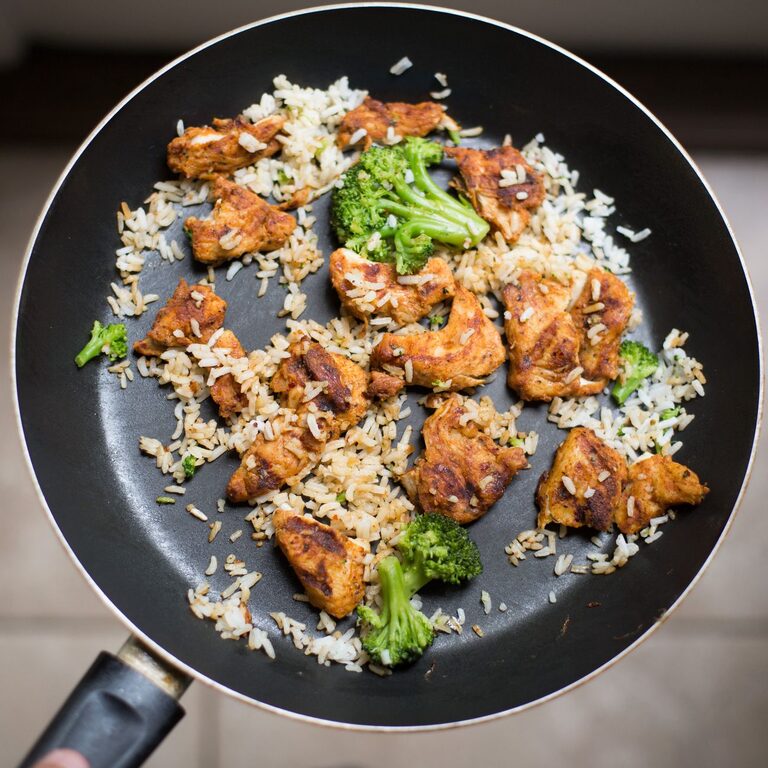
One straightforward way to cut down on cleanup time is to reduce the number of dishes, pots, and utensils you use while cooking and serving. Consider cooking meals in one pot or pan, like stews, casseroles, or sheet-pan dinners. This not only simplifies cooking but also limits the amount of washing up afterward.
Prep Ingredients Smartly
Chopping all your vegetables on a single cutting board before cooking can save time. Use one bowl for all your chopped ingredients instead of multiple containers. This limits the number of items you need to clean after dinner.
Line Pans and Trays
Using parchment paper or aluminum foil on baking trays and dishes can help prevent food from sticking. When you’re done, simply discard the liner, leaving the pan cleaner for quicker washing or even a wipe-down.
Clean as You Go
Wash While You Cook
Cleaning up a little during cooking makes a big difference. Rinse and load used utensils, bowls, and cutting boards into the dishwasher or wash them by hand while food is simmering or baking. This approach stops the pile-up of dirty dishes at the end of the meal.
Keep a Sink of Soapy Water Ready
If you wash dishes by hand, fill one side of your sink with warm, soapy water before finishing cooking. Placing pots, pans, and utensils in the soapy water right after use prevents food from drying and sticking, making these items easier to clean later.
Organize Your Kitchen for Efficiency
Have a Designated Cleanup Station
Set up an area near your cooking space specifically for cleanup. This could include a drying rack, sponges, dish soap, and scrubbers within easy reach. A well-organized cleanup station saves time and effort when washing and putting away dishes.
Use Storage Containers Wisely
When packing leftovers or storing prepped ingredients, use stackable, uniform-sized containers that fit neatly in your fridge. This prevents clutter and keeps storage neat, making it easier to clean up spills and crumbs.
Post-Dinner Cleanup Routine
Clear the Table Immediately
As soon as dinner is over, clear plates, utensils, and glasses from the table. Promptly removing these items limits the chance of crumbs and spills spreading and makes wiping down the table a quick job.
Soak Pots and Pans Right Away
If some pots or pans have tough, stuck-on food, soak them in hot water and a bit of dish soap immediately after use. This loosens residue, making scrubbing faster and less intensive.
Use a Dishwasher Efficiently
Load your dishwasher as soon as possible after dinner. Avoid waiting for the machine to fill up completely, as dirty dishes can become harder to clean. Running smaller loads more frequently often prevents buildup and odors.
Easy Cleaning Hacks
Use Baking Soda and Vinegar
For stubborn stains in pots, pans, or sinks, sprinkle baking soda over the area, spray with a little vinegar, and let it fizz. After a few minutes, scrub gently and rinse. This natural method is effective and safe for most kitchen surfaces.
Wipe Down Surfaces Before Cleaning Floors
Clean countertops, stove tops, and the dining table before sweeping or mopping floors. This prevents crumbs and spills from falling onto freshly cleaned floors, keeping your kitchen tidy longer.
Keep Cleaning Tools Handy
Keep microfiber cloths, sponges, and paper towels close to where you eat and cook. Being able to quickly wipe up spills and messes right as they happen prevents buildup and makes your overall cleanup easier.
Encourage Family Involvement
Assign Simple Tasks
If you live with family or roommates, assign small cleanup tasks to each person. Whether it’s clearing the table, rinsing dishes, or wiping counters, teamwork splits the work and speeds up the process.
Make Cleanup a Habit
Turning cleanup into a shared, routine activity helps everyone take responsibility. Setting a timer for 10-15 minutes to tidy the kitchen after dinner can make the task feel less overwhelming and more manageable.
Conclusion
Making dinner cleanup easier comes down to planning, organization, and a bit of effort during cooking and mealtime. By using these ideas, you can cut down on the dreaded post-dinner mess and enjoy a cleaner kitchen with less stress. Try incorporating some of these tips into your routine and see how much quicker and simpler your cleanup can be.
About the Author