Starting a small herb garden indoors is a rewarding way to enjoy fresh flavors year-round. Whether you have a spacious home or just a sunny windowsill, growing herbs inside can brighten your kitchen and add fresh ingredients to your meals. This guide will walk you through everything you need to know to get your indoor herb garden thriving.
Why Grow Herbs Indoors?
Indoor herb gardens save trips to the store and reduce waste since you can harvest just what you need. They also serve as a lovely decorative touch and can improve air quality. Plus, fresh herbs often taste better and are more fragrant than dried versions.
Choosing the Right Herbs
Not all herbs thrive indoors, so it’s best to start with varieties known for being low-maintenance and adaptable to indoor light.
Some popular beginner-friendly herbs include:
– Basil: Great for cooking and requires bright light.
– Mint: Hardy and fast-growing but contain it in its own pot as it spreads quickly.
– Parsley: Moderate light needs and versatile in cooking.
– Chives: Needs medium sunlight and is easy to grow.
– Thyme: Drought-tolerant and prefers bright light.
– Oregano: Likes warmth and sunlight.
Consider what herbs you use most often in your cooking to make your garden both practical and enjoyable.
Selecting Containers
Herbs need good drainage, so choose containers with holes at the bottom. You can use:
– Traditional terra cotta pots
– Ceramic pots with drainage
– Recycled containers with holes drilled
– Creative options like mason jars (with added drainage layer)
Use saucers underneath to catch excess water and protect your surfaces.
Potting Mix and Soil
Use a light, well-draining potting mix formulated for indoor plants. Avoid garden soil, which can be too dense and encourage root rot. You can find specialized herb or seed-starting mixes at gardening stores.
Finding the Best Spot and Lighting
Most herbs require at least 6 hours of bright, indirect sunlight daily.
Ideal spots include:
– South- or west-facing windowsills
– Sunrooms or well-lit kitchen counters
If natural light is limited, consider using a grow light. LED grow lights are energy-efficient and effective for providing the necessary light spectrum for herb growth. Position the light about 6-12 inches above the plants and run it for 12-16 hours a day.
Planting Your Herbs
You can start from seeds or buy young herb plants from nurseries.
Starting From Seeds:
– Fill containers with potting mix.
– Moisten the soil lightly.
– Plant seeds at the depth recommended on the seed packet.
– Cover seeds lightly and water gently.
– Keep soil moist until seeds sprout.
Transplanting Starter Plants:
– Gently loosen roots if needed.
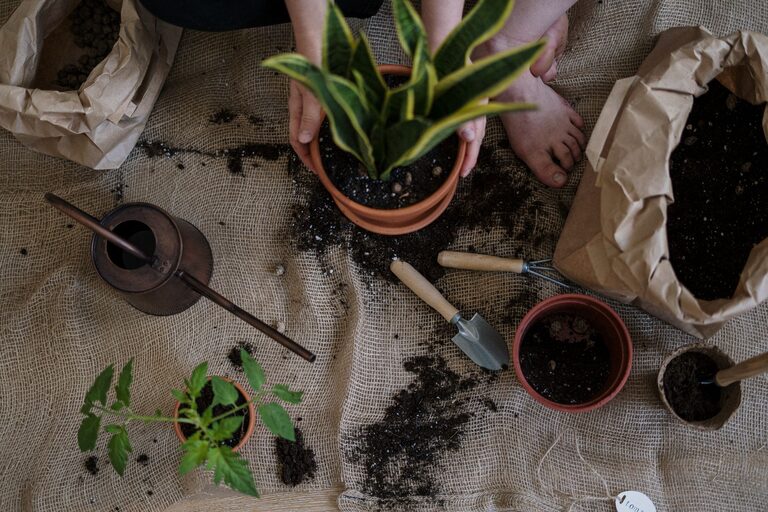
– Place the plant in a pot filled with potting mix.
– Add soil around the roots and pat down lightly.
– Water thoroughly.
Care Tips for Your Indoor Herb Garden
Watering
Most herbs prefer evenly moist soil but not soggy. Water when the top inch of soil feels dry to the touch. Overwatering can cause root rot, so good drainage and moderate watering are key.
Temperature and Humidity
Herbs thrive in temperatures between 65-75°F (18-24°C). Avoid placing them near heating vents or drafty windows. If your home is dry, occasionally mist the herbs or place a small humidifier nearby.
Fertilizing
Feed your herbs every 4-6 weeks with a balanced, water-soluble fertilizer diluted to half strength to encourage healthy growth.
Pruning and Harvesting
Regularly pinch back leaf tips to promote bushier growth and prevent flowering, which can affect flavor. Harvest leaves by cutting stems just above a leaf node for continued growth.
Troubleshooting Common Issues
– Yellow leaves: Could be overwatering or poor drainage.
– Leggy growth: Plants may need more light.
– Pests: Watch for aphids or spider mites; wipe leaves with a damp cloth or use insecticidal soap if necessary.
Benefits Beyond Cooking
Having fresh herbs indoors can boost your mood and provide gentle aromatherapy. Plus, gardening is a satisfying hobby that teaches patience and care.
Final Tips for Success
– Start small with a few herbs and expand as you gain confidence.
– Rotate pots occasionally to ensure even light exposure.
– Keep a notebook to track watering and growth to learn what works best in your home environment.
Growing a small indoor herb garden is an enjoyable way to bring nature inside and enhance your cooking. With the right care and attention, you’ll have a vibrant supply of fresh herbs right at your fingertips.
Happy gardening!
About the Author